
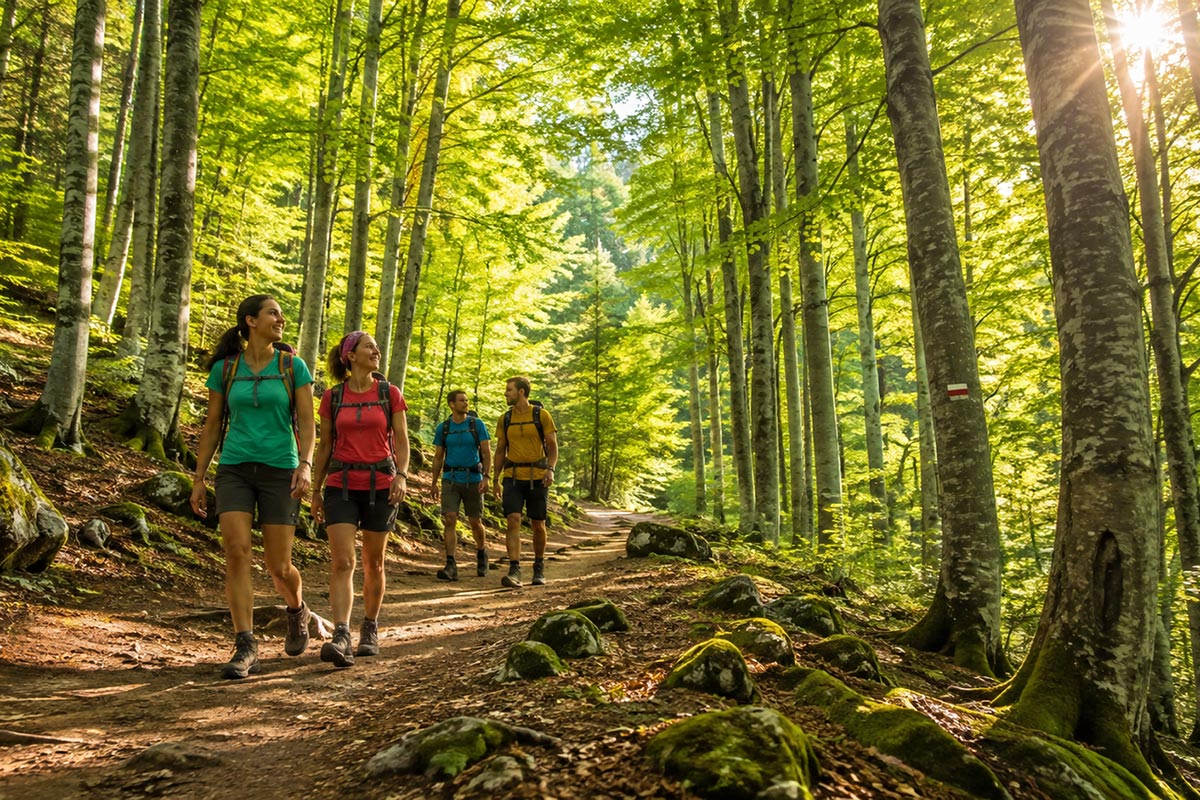
Pian di Novello Forest
Discover the Place
This destination offers a representative glimpse of the northern Apennines, where natural landscapes, traditional settlements, forests, open slopes and panoramic viewpoints come together in a varied and distinctive environment.
The character of the area is shaped by the relationship between mountain terrain and human presence. Paths, old roads, small villages, woodland clearings and scenic viewpoints create a landscape that changes continuously over relatively short distances, making each visit feel different depending on the route, season and weather conditions.
One of the main attractions of these places is their ability to combine accessibility with a strong sense of nature. Some locations can be reached with a short walk or directly from nearby roads, while others require a little more time and offer a quieter, more immersive experience.
Visitors can explore the surroundings at their own pace, stopping to enjoy panoramic views, observe local vegetation, discover traces of traditional mountain life or simply spend time in a peaceful natural setting.
The landscape is particularly attractive during spring and summer, when vegetation is at its fullest and daylight hours are longer. Autumn offers a different atmosphere, with warmer colors, cooler temperatures and quieter surroundings, while winter conditions can completely transform the appearance and accessibility of higher areas.
Each place has its own character, but all of them share the same strong connection with the Apennine environment and offer opportunities for photography, short walks, nature observation and relaxed exploration.
What to See and Experience
The surrounding area can usually be explored through a combination of short paths, viewpoints, forest roads and open spaces, allowing visitors to choose between a simple stop and a longer visit.
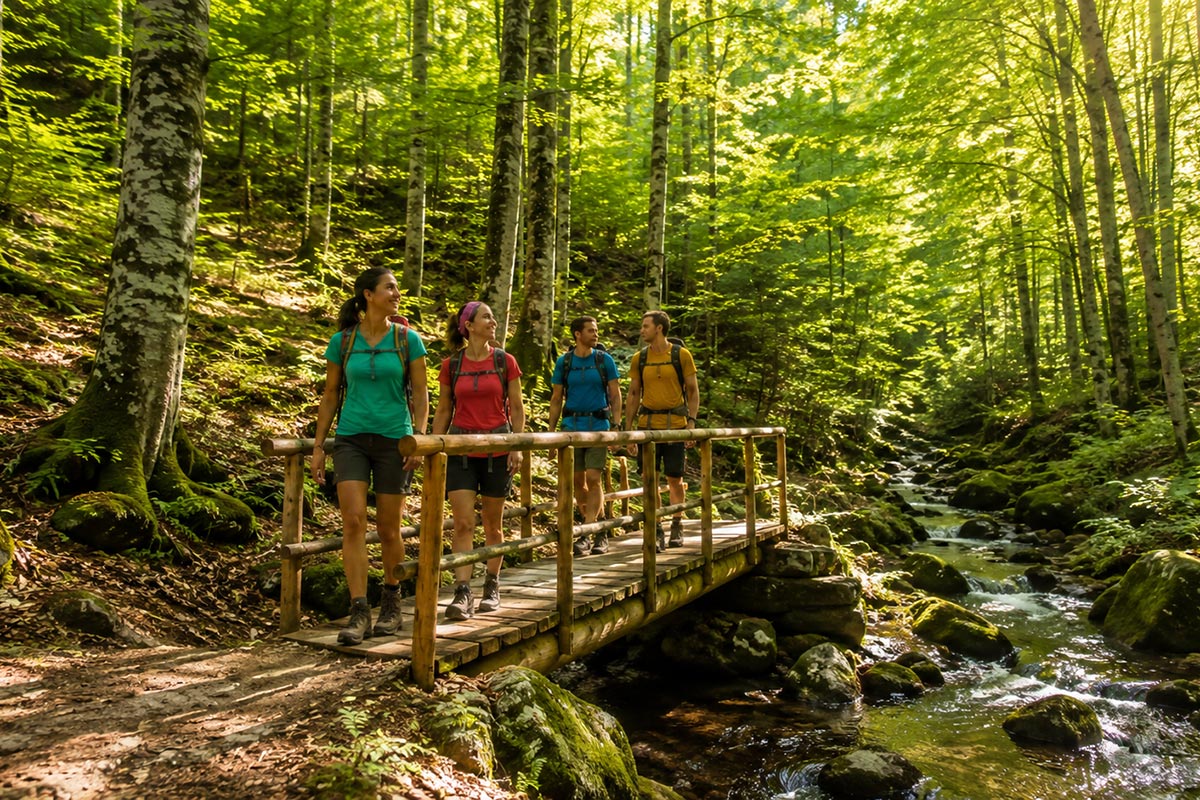
Depending on the location, the most interesting features may include mountain scenery, woodland, streams, lakes, traditional buildings, panoramic terraces, small villages or open ridges. These elements make the area suitable both for visitors interested in nature and for those who want to discover the cultural identity of the mountain landscape.
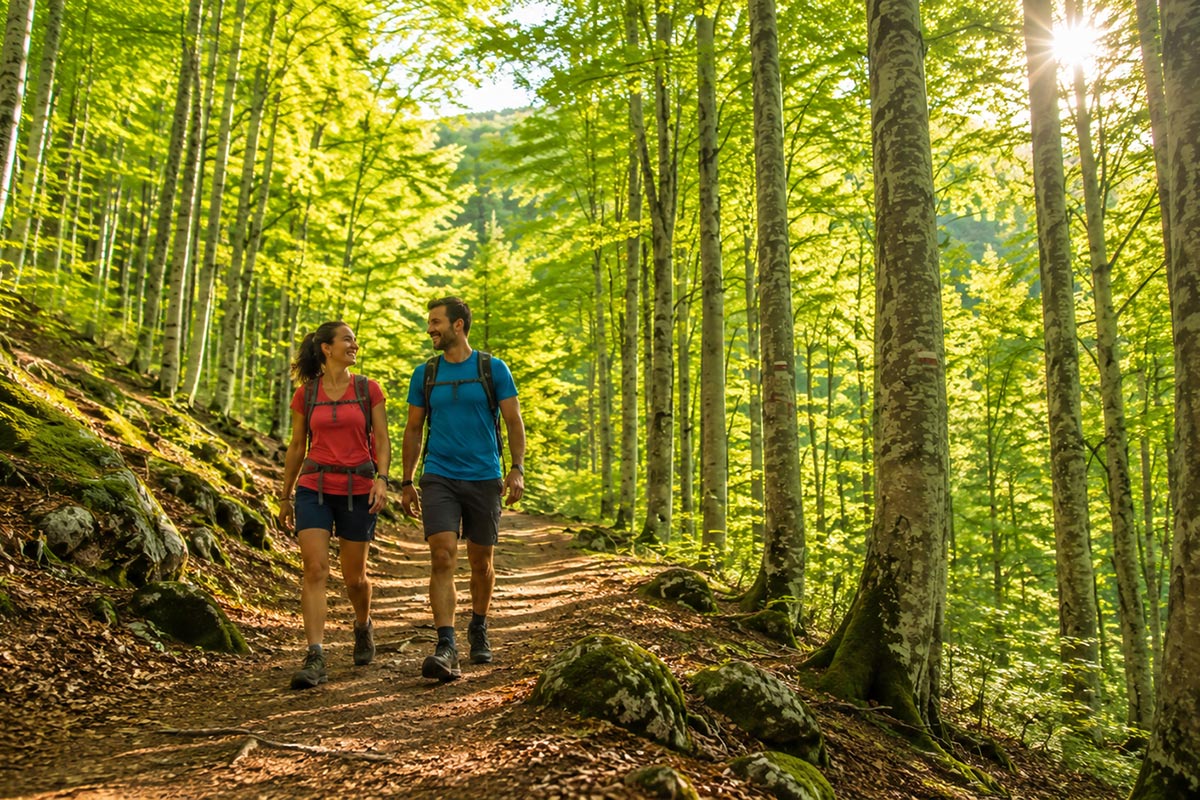
Walking is often the best way to appreciate the details of the environment. Even short routes can reveal changes in vegetation, small watercourses, rocky formations, old tracks and unexpected viewpoints over the surrounding valleys.
Photography enthusiasts will find many opportunities throughout the day, especially in the early morning and late afternoon when the light is softer and creates stronger contrasts across the landscape.
The area is also suitable for families and casual visitors in many locations, provided that local access conditions and terrain are taken into account. Some paths may be suitable for an easy walk, while others can become steeper, uneven or more exposed.
Visitors interested in local history may also find traces of traditional activities, rural architecture and old connections between mountain communities. These details help explain how the territory developed and how people adapted to the conditions of the Apennines.
Rather than being a single attraction, each place can be considered part of a wider landscape, connected to nearby villages, hiking routes, mountain huts and other natural destinations.
Place Overview
Access & Service
Visit Information

Planning Your Visit
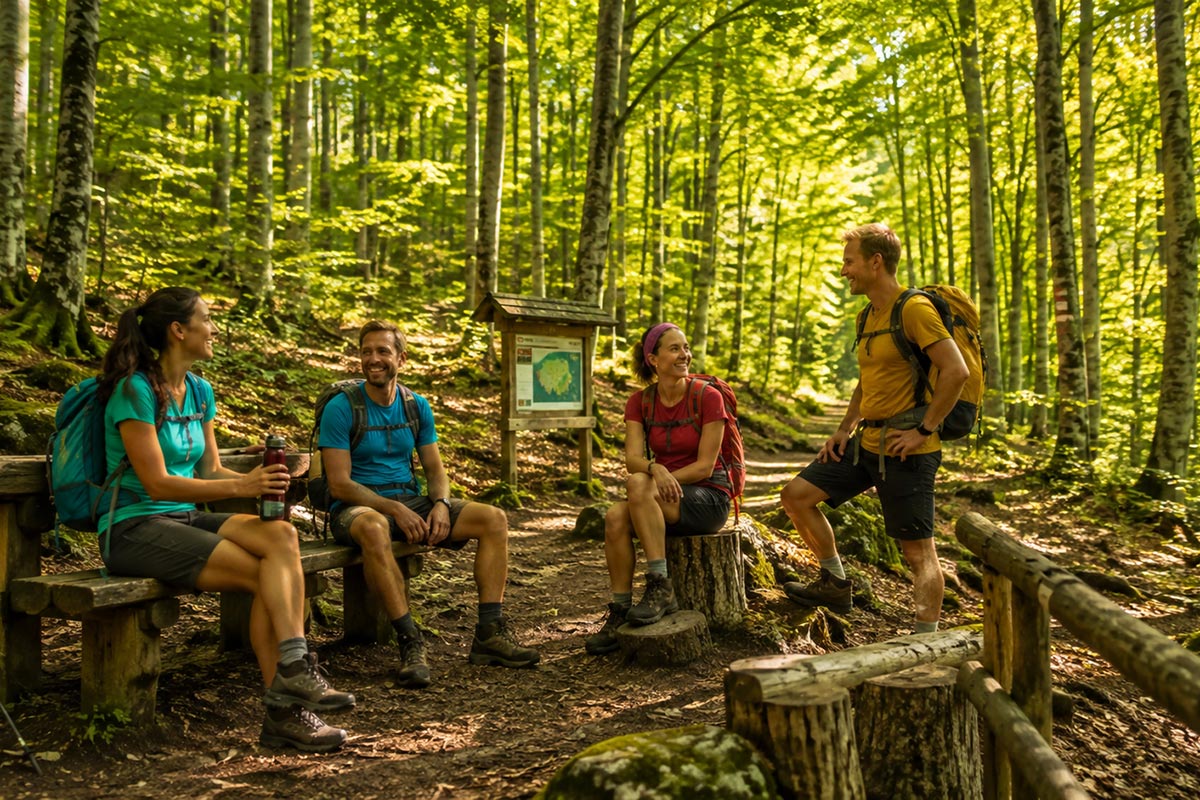
Before visiting a mountain or forest area, it is always useful to check local weather conditions, road access and any seasonal restrictions. Conditions can change quickly, particularly at higher elevations or during periods of heavy rain, strong wind or snow.
Comfortable footwear is recommended even for shorter visits, especially when the area includes unpaved paths, woodland tracks or uneven ground. A light jacket can also be useful throughout much of the year, as temperatures may vary considerably between valleys, shaded areas and exposed viewpoints.
Visitors planning to spend several hours outdoors should carry water and a small amount of food, particularly in locations where services are limited or seasonal.
Parking availability can vary from one destination to another. Some places have dedicated parking areas, while others may only offer limited roadside spaces or require a short walk from the nearest accessible point.
Mobile phone coverage may also be inconsistent in valleys, dense forests or remote areas. Keeping an offline map or basic route information available can therefore be useful, especially when exploring beyond the main access points.
The natural environment should always be respected. Visitors are encouraged to remain on marked paths where possible, avoid disturbing wildlife, take all waste away and follow local regulations.
With simple preparation and enough time to explore without rushing, these destinations offer an excellent way to discover the landscapes and atmosphere of the northern Apennines, whether as an independent visit or as part of a wider itinerary through the region.
Discover trails, mountain places, refuges and outdoor experiences across the northern Apennines.
Appennino Tourism
Northern Apennines, Italy
+39 123 456 7890